INDIGENOUS GAMES
The program of the 3rd Edition of the Xikrin Traditional Indigenous Games took place in the Ôôdjã village, opening on July 20, 2019, with the participation of sixteen teams of athletes from five villages in the region, who presented cultural performances, colors, dances, songs and determination. There were six days of sports activities, dances and body painting. The event was attended by authorities and Indigenous leaders, and an audience of more than 1,700 people; 600 athletes, women and men, competed in tug of war, football, 100-meter and 5,000-meter races, archery, spear throwing, among other modalities.
On the night of the 26th, the teams gathered in the village arena for the medal and trophy ceremony for athletes and winning teams in archery, tug of war, and women’s and men’s football. The winning athletes and teams in 2019 were: Men’s Football – Krimeityk Team, Kateté village; Women’s Football – Kam Krokrok Team, Kateté village; Best athlete – 4 goals – Greinhi; Beauty contest – Painpri, Kateté village; Women’s Race – 5,000 meters / Yapore, Kayapó village; Men’s Race – 5,000 meters / Bep – Kanara, Dju Djeko village; Tug of war – Kênhoro, Dju Djeko village; Archery – Jacson, Kateté village; Spear throw – Katapt, Kateté village.
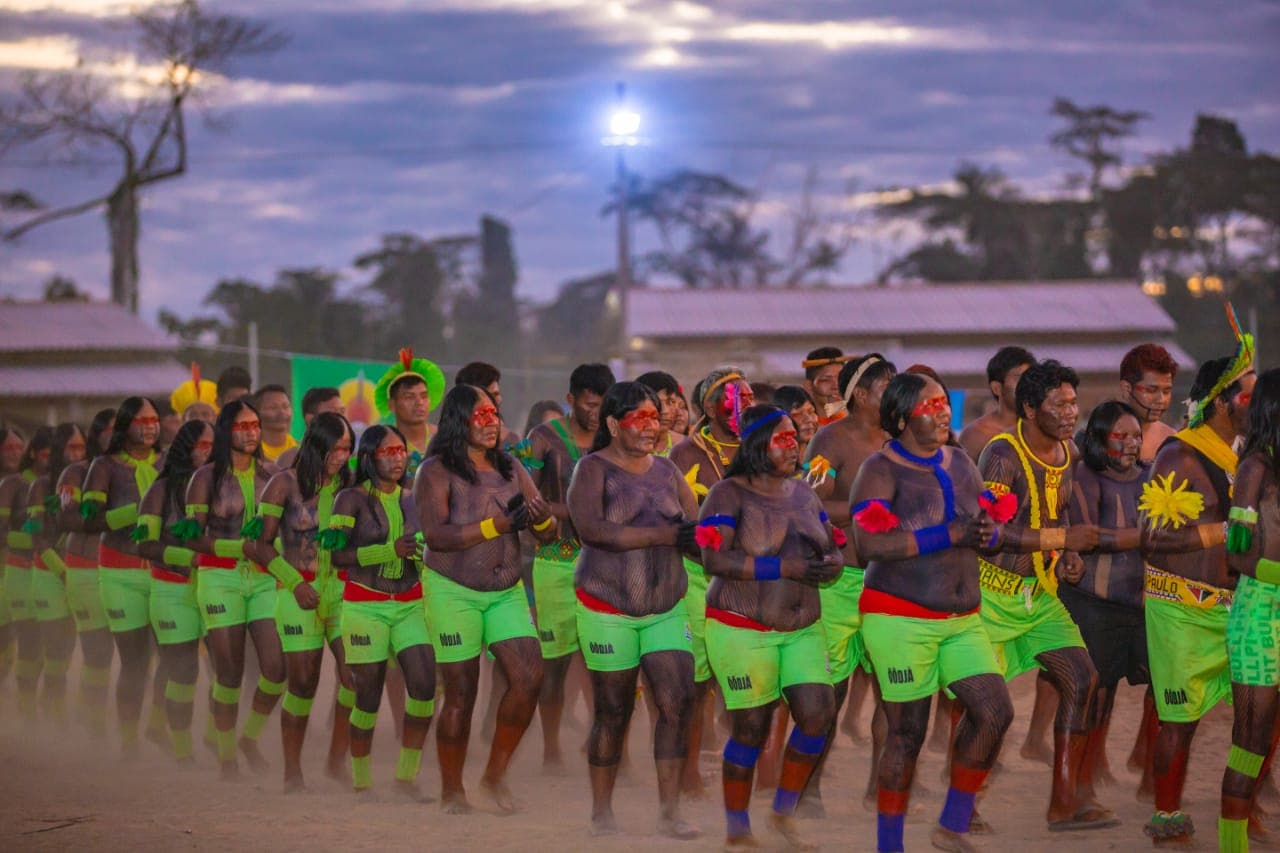
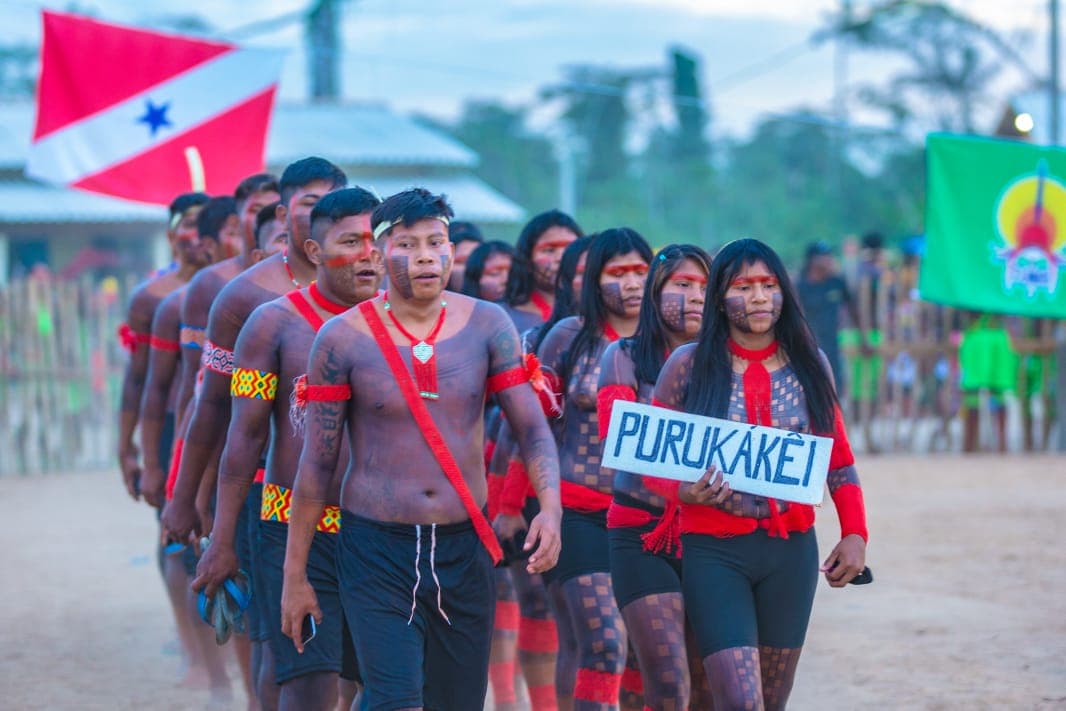
The Indigenous Games program closed with the torch being passed by chief BEP TUM XIKRIN to chief BEP KROKROTI of the DjuDjeko village.
The Indigenous Peoples Games are considered one of the largest cultural and traditional sporting gatherings of Indigenous peoples in the Americas. Their central aim is to promote socio-educational sport as a cultural identity, focused on Indigenous citizenship, integration and original values. The cultural diversity of Brazilian Indigenous peoples is today represented by about 230 ethnic groups living on their original lands and still keeping approximately 180 languages alive. They are distinct peoples, each with its own cultural identity, expressions, customs, traditions, technological skills, social organization, rites, beliefs, philosophies, spiritualities and unique traditional sports.